Mammals
- Bengal tiger
- Indian leopard
- Sloth bear
- Striped hyena
- Golden jackal
- Chital
- Sambar
- Nilgai
- Wild boar
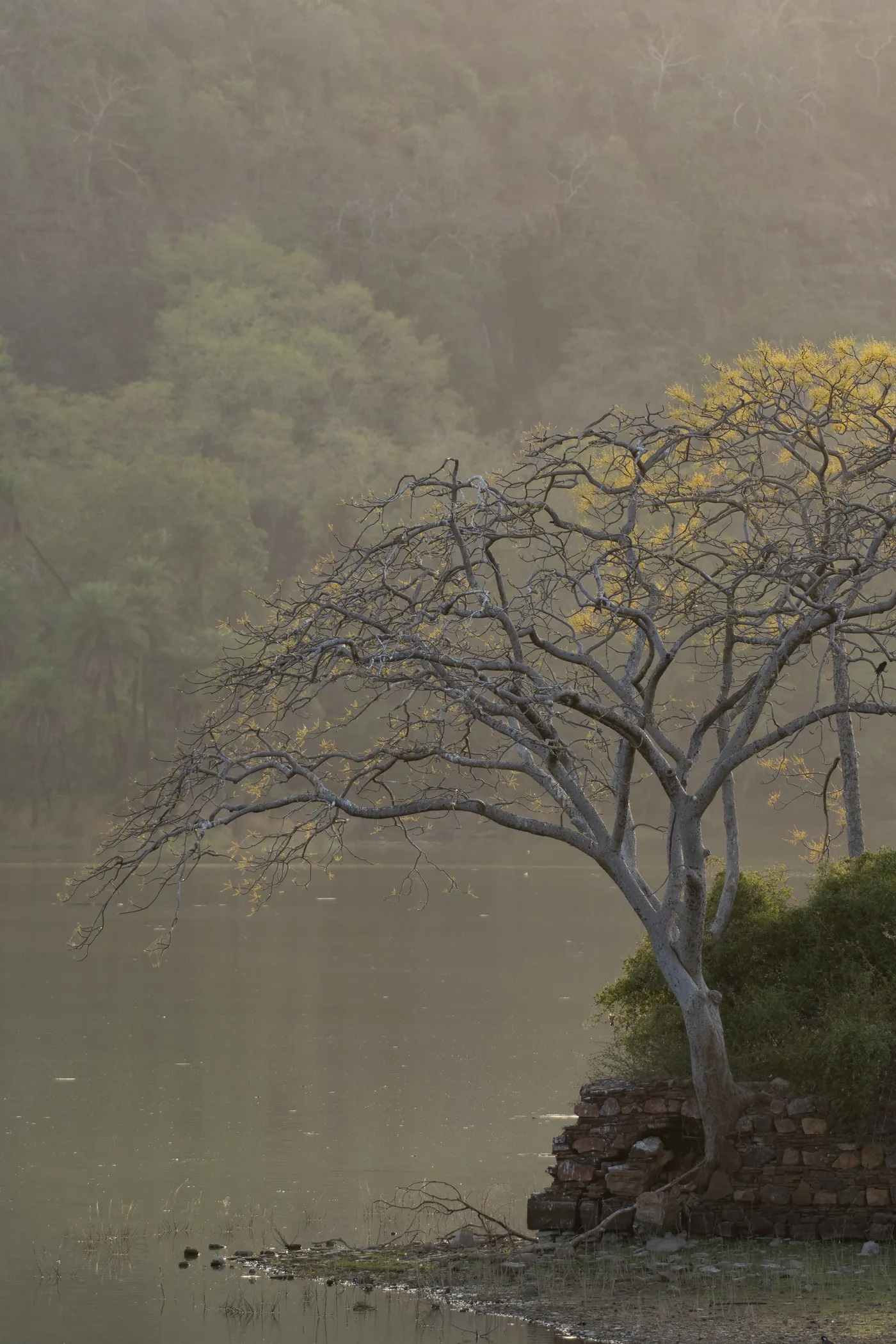
Ranthambore · Rajasthan · Northern India
Dhok forests, lakes and tigers beneath an old fort.
Get to know Ranthambore
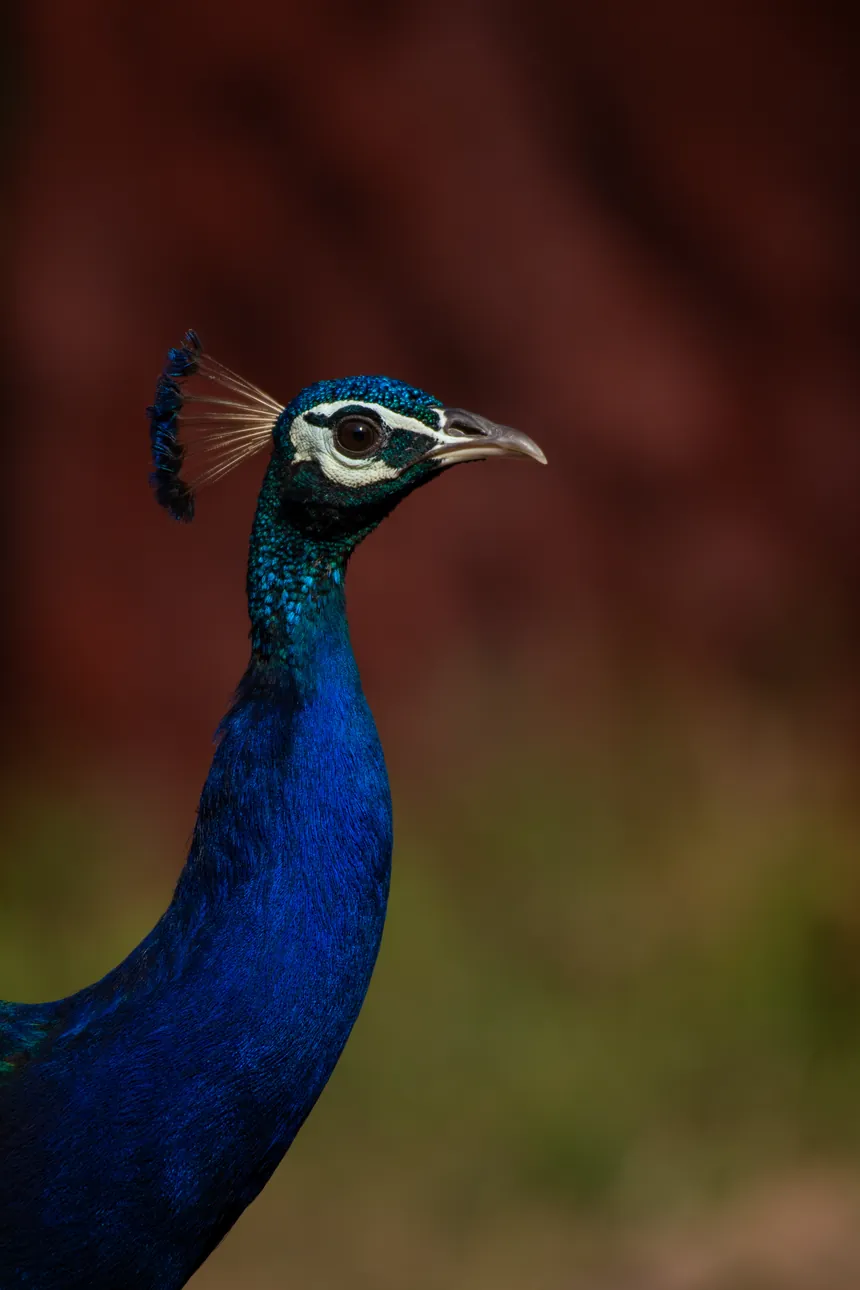
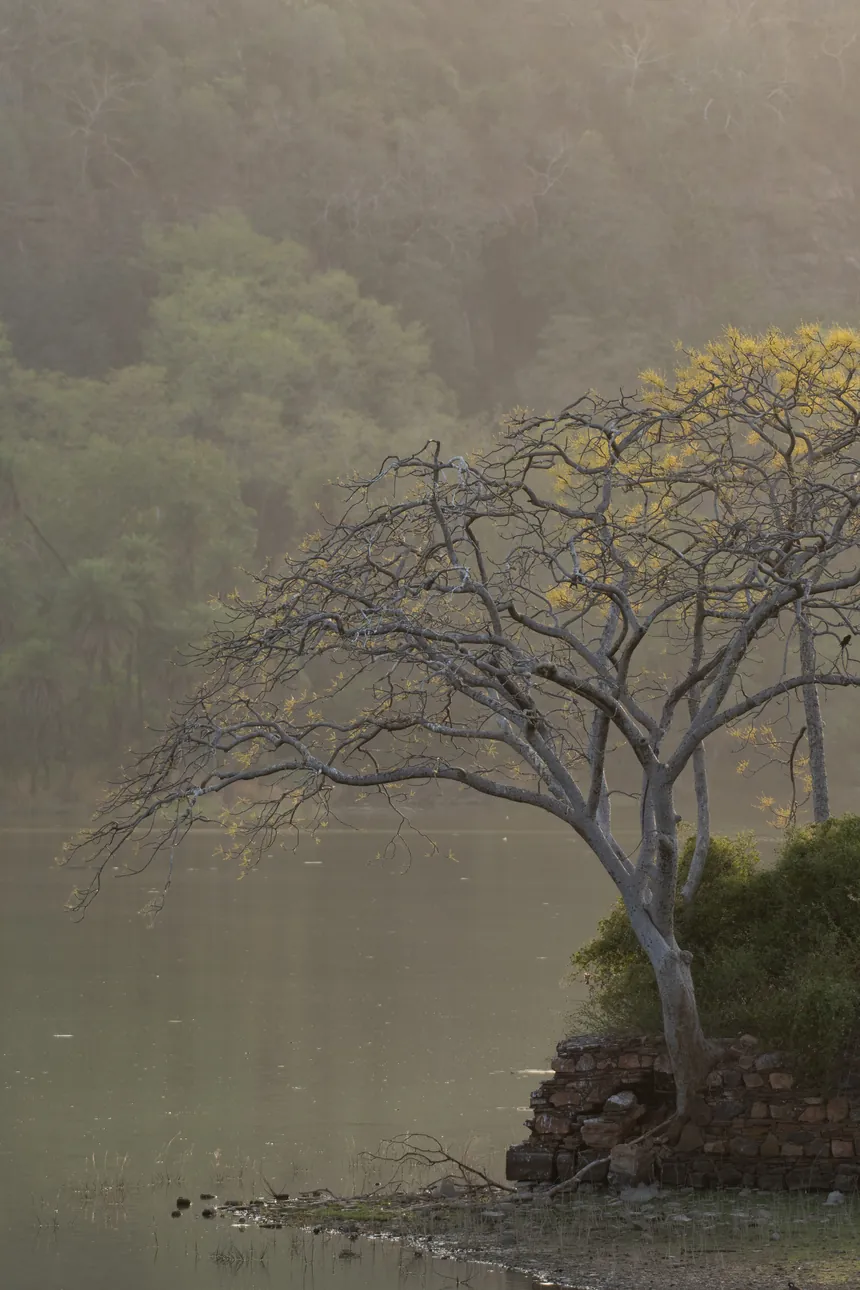
Few places combine wilderness and history quite like Ranthambore. The forest unfolds beneath old stone walls, past lakes and dry wooded slopes. A sambar may pause beside the water. Peafowl call from the trees. Somewhere in this rocky landscape, a tiger moves through a place with a much longer story.
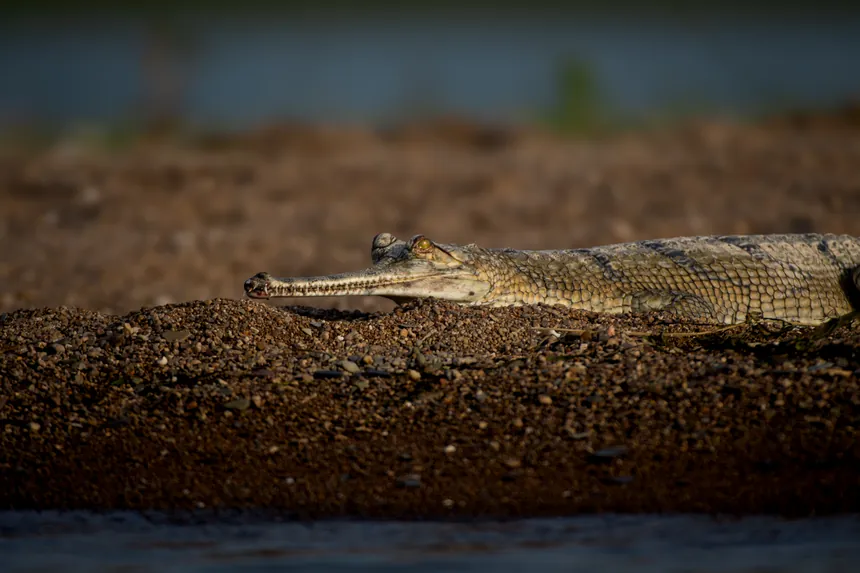
Ranthambore's striking scenery comes from its position between the Aravalli and Vindhya ranges. It is known for Bengal tigers, but leopards, sloth bears, crocodiles, deer and a wide range of dry-forest and waterbirds also make this a richly layered journey.
A memorable pairing of wildlife, landscapes and Rajasthan's history.
Our journeys are about learning to notice the forest, not chasing wildlife for a photograph. There's always more to discover, even when a tiger stays out of sight.
Plan Your Journey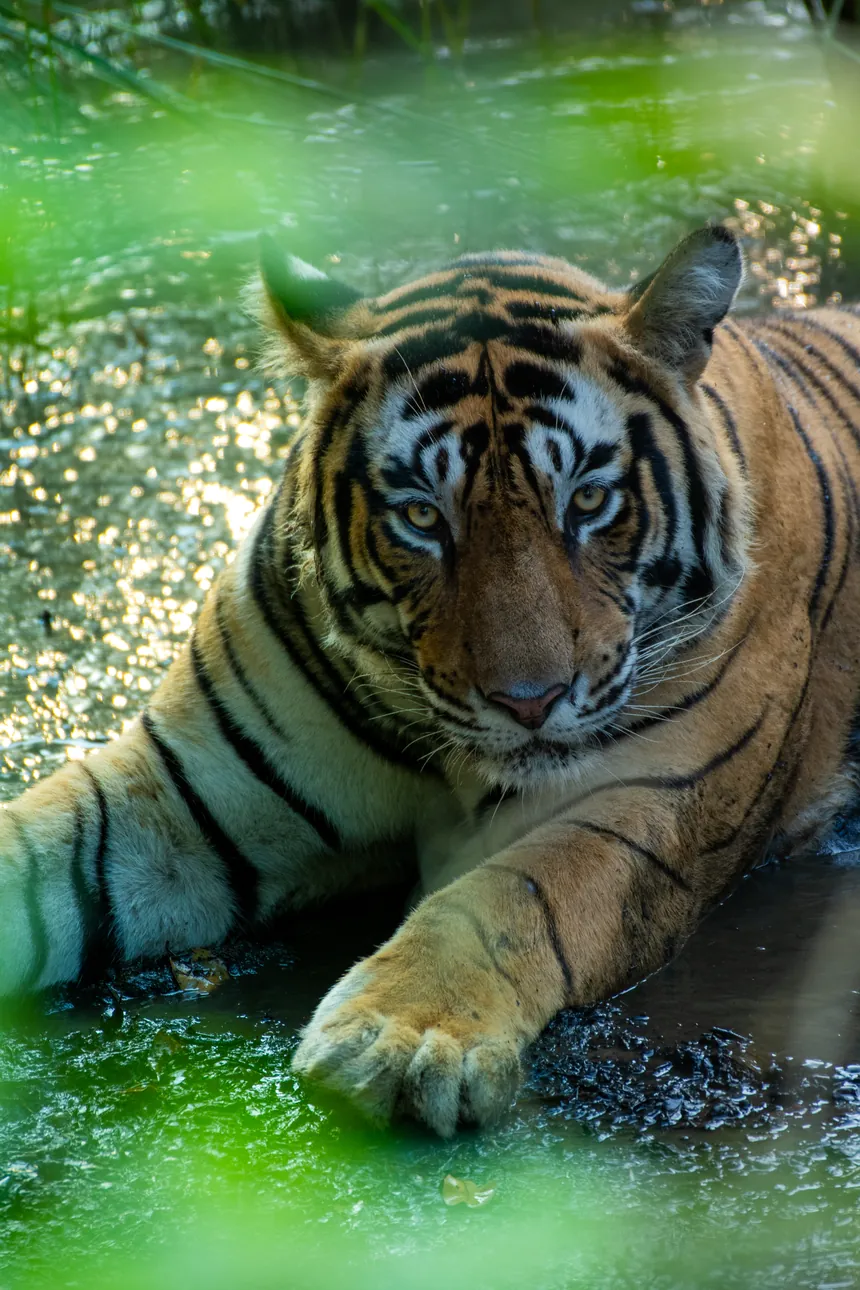
Wildlife, birds, flora and fauna
These animals and plants belong to the wider reserve ecosystem. They are not a checklist of guaranteed sightings. Your naturalist helps you notice what each safari offers.
Look closely and you may also notice butterflies, insects, fungi and other smaller forest life.
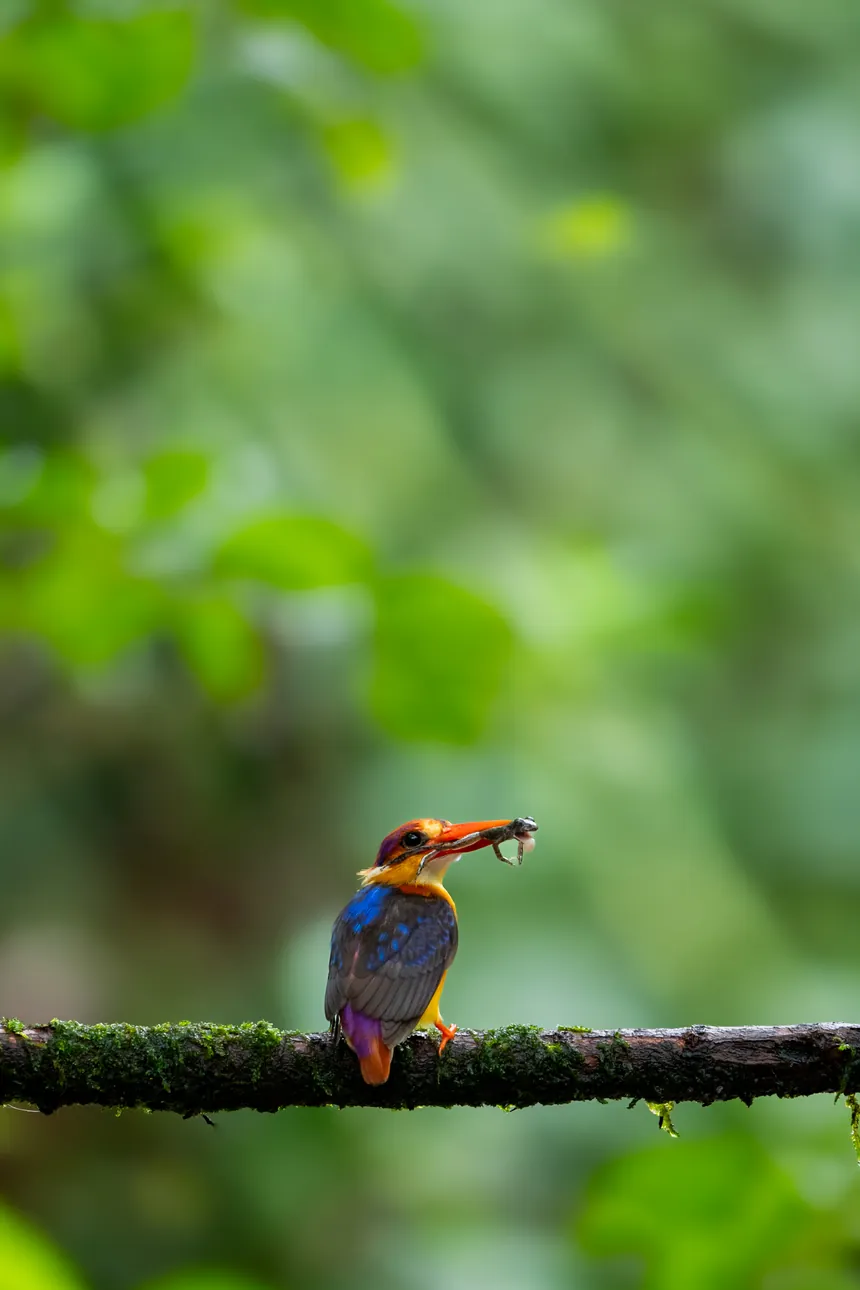
Birdwatching: Birdlife varies between lakes, rocky slopes and dry forest. Visitors may see peafowl, herons, raptors, kingfishers and other woodland and waterbird species.
Habitat: Dry deciduous dhok woodland, lakes, rocky hills, grassy valleys and historic ruins. Different places within a reserve can feel like different forests.
Moments from the forest
A closer look at the animals, birds and landscapes featured in the field collections shared with Weavor. Take your time with the details.
Wildlife photograph
From this reserve collection
Wildlife photograph
From this reserve collection
Wildlife photograph
From this reserve collection
Wildlife photograph
From this reserve collection
Wildlife photograph
From the wider India wildlife collection
Photographs marked as part of the wider India wildlife collection are illustrative and are not represented as having been taken in Ranthambore. Actual wildlife encounters vary by trip.
Understanding tiger country
These numbers describe the reserve and its habitats. They do not predict wildlife encounters or guarantee tiger sightings.
Ranthambore | Dated assessment and habitat records
The 2022 camera-trap study identified 57 individual tigers in Ranthambore Division I. This count excludes Division II (Kailadevi) and is not a current reserve-wide population estimate or a sighting guarantee. Species figures are recorded biodiversity totals, not sightings expected on one trip. Read the 2022 report.
Dry deciduous dhok woodland, lakes, rocky hills, grassy valleys and historic ruins.
Understand the landscape
Ranthambore is a good reminder that forests have both ecological and cultural histories. The old fort, ruins, lakes and dry woodland share one landscape. Seeing them together gives the park a character unlike Central India's sal forests and meadows.
Plan with confidence
We'll help you plan around park regulations, permit availability and sensible travel connections. The right pace matters more than collecting as many drives as possible.
The principal safari tourism season is generally October to June, but zone access and monsoon arrangements can vary. Confirm your exact permit dates and eligible zones before making other arrangements.
Sawai Madhopur is the main rail gateway. Many international visitors combine Ranthambore with Jaipur, Delhi or Agra by road and rail, depending on their itinerary.
We suggest starting with 2 to 4 nights. We'll work out an itinerary that suits your pace, preferred accommodation and other places you hope to visit in India.
Safari permits, entry zones, vehicle arrangements, access restrictions and seasons are determined by the responsible forest authorities. We confirm current rules before you book.
Learn to read the jungle
When you travel with someone who knows the forest, the smallest observations can open up a whole new story.
Watch deer and waterbirds around the lakes while scanning for predator signs.
Notice how dhok trees, dry slopes and rocky ridges shape animal movement.
See how the fort and ruins change the atmosphere of the forest.
Before you travel
Its dry woodland, lakes, rugged hills and historic fort landscape create a combination of wildlife and history that feels quite different from Central India.
Yes. It can be combined with time in Jaipur, Delhi or other cultural destinations depending on the route and time available.
No. Ranthambore is well known for tigers, but every safari follows the movement of wild animals and the rules of the reserve.
Yes. Its lakes and woodland provide opportunities to see waterbirds, peafowl, raptors and other forest birds.
No. Tigers and other animals are wild, and no sighting is guaranteed. We suggest allowing several drives and staying curious about everything the forest reveals.
Plan your Ranthambore journey
Tell us about the wildlife you're most interested in, your preferred dates and who you're travelling with. We'll help you explore what a considered Ranthambore journey could look like.
You don't need to have an itinerary worked out before you enquire.
plan@weavor.meOther forests to discover
The 2022 camera-trap study identified 57 individual tigers in Ranthambore Division I. This count excludes Division II (Kailadevi) and is not a current reserve-wide population estimate or a sighting guarantee. Figures for different reserves may involve different study boundaries or survey methods. Bird and plant figures are species records, not an indication of what one visitor will see. Park operating periods should be checked again before travel.