
Mammals
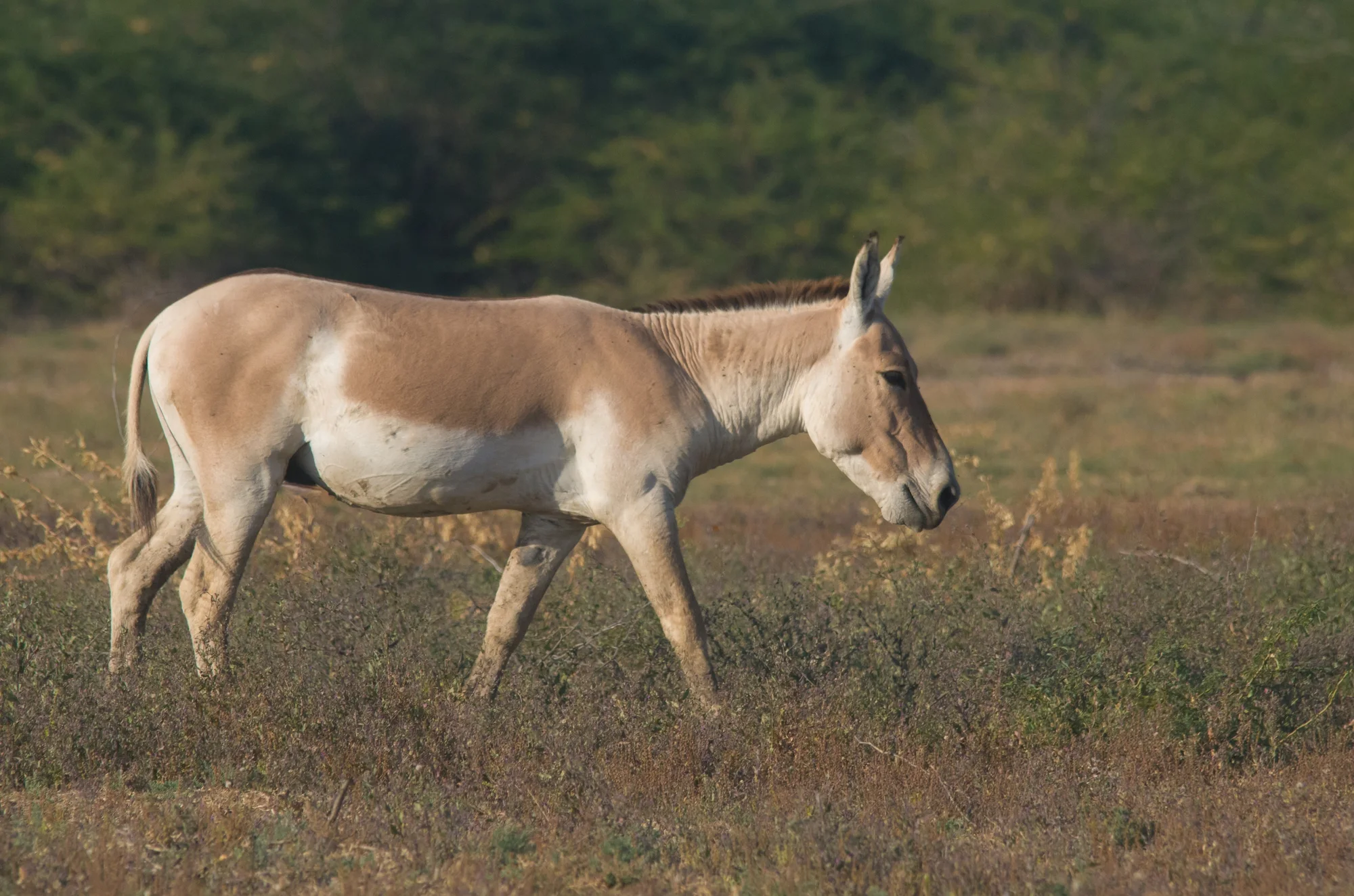
- Indian wild ass (Khur)
- Blue bull (Nilgai)
- Indian gazelle (Chinkara)
- Indian wolf
- Golden jackal (Siyar)
- Indian fox
Salt flats, wild asses and a sky alive with birds.
The landscape & its story
The Little Rann of Kutch, often shortened to LRK, reveals a different side of wild India. This landscape in Gujarat brings together salt desert, seasonal marshes and patches of scrub and grassland. The Wild Ass Sanctuary protects a vast part of it, with the Indian wild ass, locally called the khur, its best-known resident.
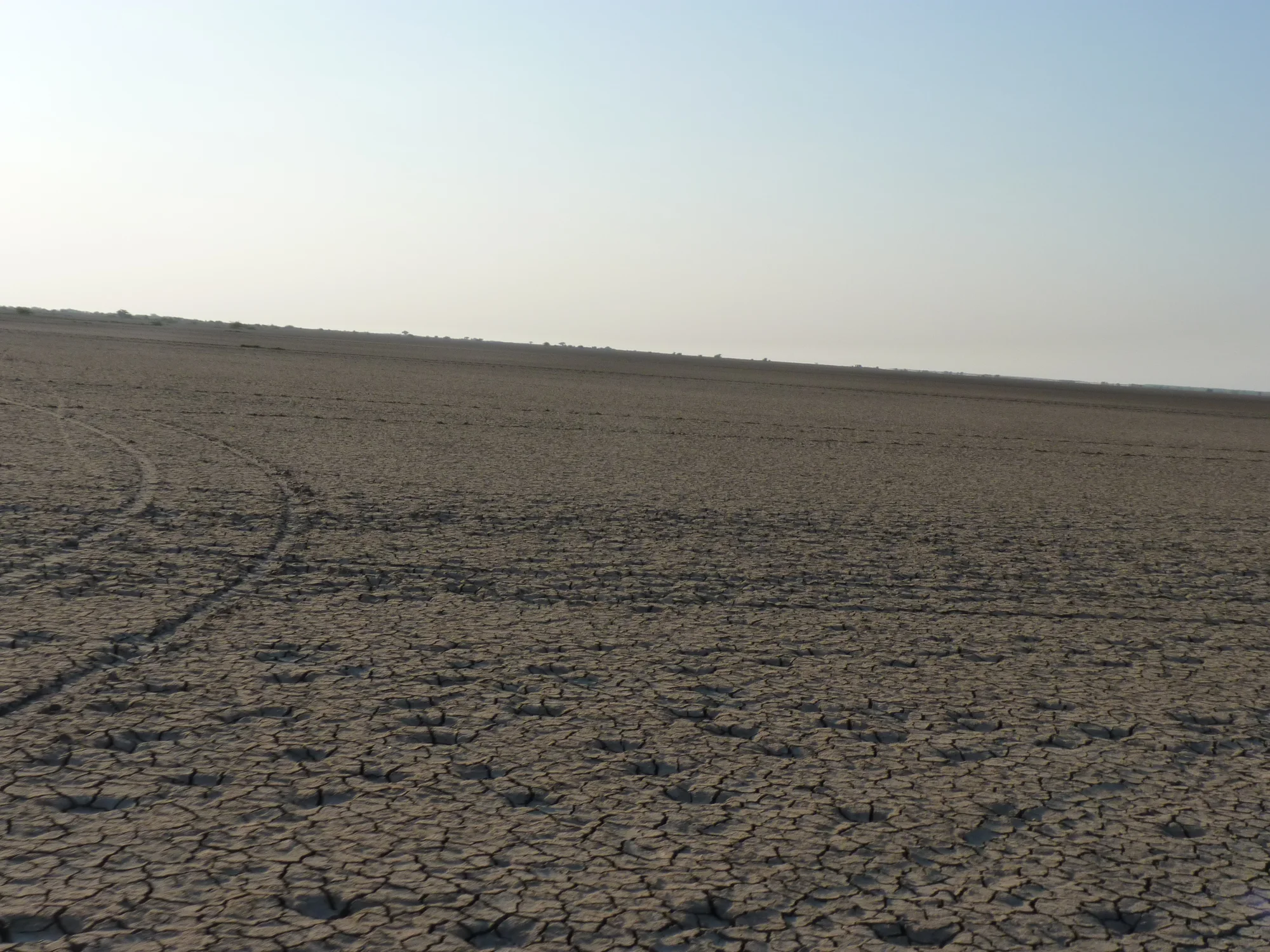
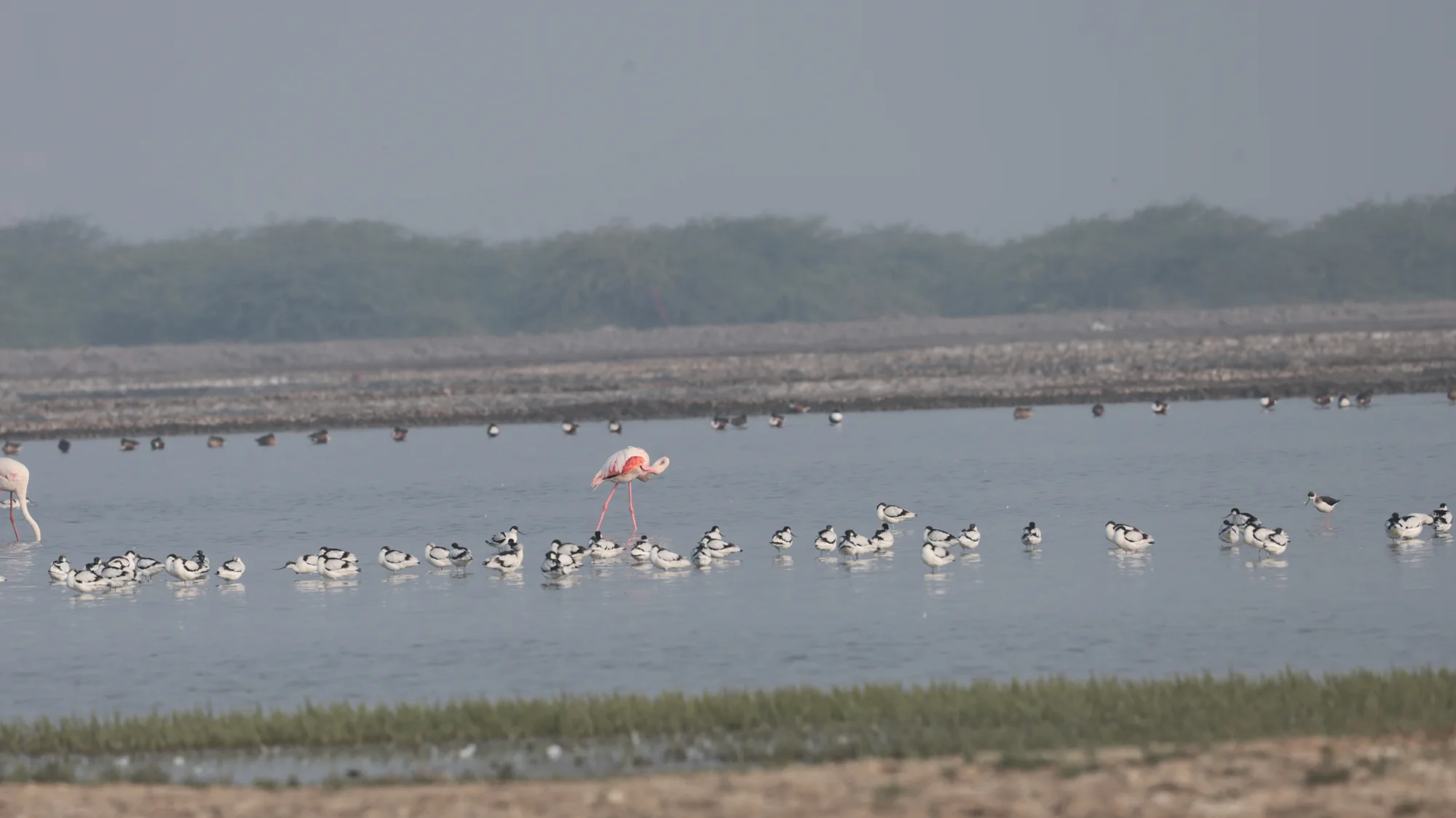
Raised islands known as bets break up the open terrain. Water and vegetation shape where animals feed and birds gather, so an outing changes with the season. Give yourself time to watch the wider landscape: movement on the horizon, birds around the wetlands and the way light transforms the flats.
Wildlife & habitats
These species belong to the wider reserve. What you encounter depends on the route, season and wildlife movement.
A closer look
Photographs from the Little Rann of Kutch. Photo credits and licences.
Conservation in context
Area and notification year refer to the Wild Ass Wildlife Sanctuary, as recorded on the Wildlife Institute of India’s 2014 map; they do not describe the whole Rann of Kutch. Wildlife Institute of India record.
Planning your visit
October to March is the broad visiting season recommended by Gujarat Tourism for pleasant weather and wetland birdlife. Actual access depends on water levels and local conditions; confirm the dates before booking.
Ahmedabad is a useful arrival point for a road transfer to the southern side of the Little Rann. Dasada, Bajana and Zainabad are accommodation bases mentioned by Gujarat Tourism. Choose your stay first, then confirm the transfer and entry arrangements.
We suggest 2–3 nights as a starting point, giving you time for more than one outing and a slower look at the landscape. This is a planning suggestion, not a fixed package; the right length depends on your interests and onward route.
Bring binoculars if you have them, sun protection, drinking water and layers for changing conditions. Tell us about mobility needs before planning: vehicle access and time on uneven tracks should be discussed for your chosen route.
Transfer times are approximate. Your final route depends on traffic, the entry gate and accommodation; current access and permits are checked for your travel dates.
Arriving in India, safari days & what we arrangeAbout this destination
LRK stands for Little Rann of Kutch, a salt-marsh landscape in Gujarat, Western India. It is closely associated with the Wild Ass Sanctuary.
No. Rann Utsav is associated with Dhordo in the Great Rann of Kutch. The Little Rann is a separate destination. If you want to visit both, allow for the transfer rather than treating them as the same stop.
Both are associated with this landscape, but no sighting is guaranteed. Water levels, season, route and wildlife movement affect what you may encounter.
Vehicle-based outings are a way to explore the sanctuary. We discuss your interests, stay and route, then confirm the current access rules and required arrangements for your travel dates.
Yes, it can be considered alongside other destinations. Share your arrival city and time available so we can discuss a sensible sequence with enough time for travel and rest.
Plan your Little Rann of Kutch (LRK) journey
Tell us what draws you to India’s wildlife. We’ll discuss the destinations, stays and transfers that fit your plans.
plan@weavor.meWhat happens nextKeep exploring
 Image not available.
Madhya Pradesh · Central India
Sal forests, wooded hills and open meadows.
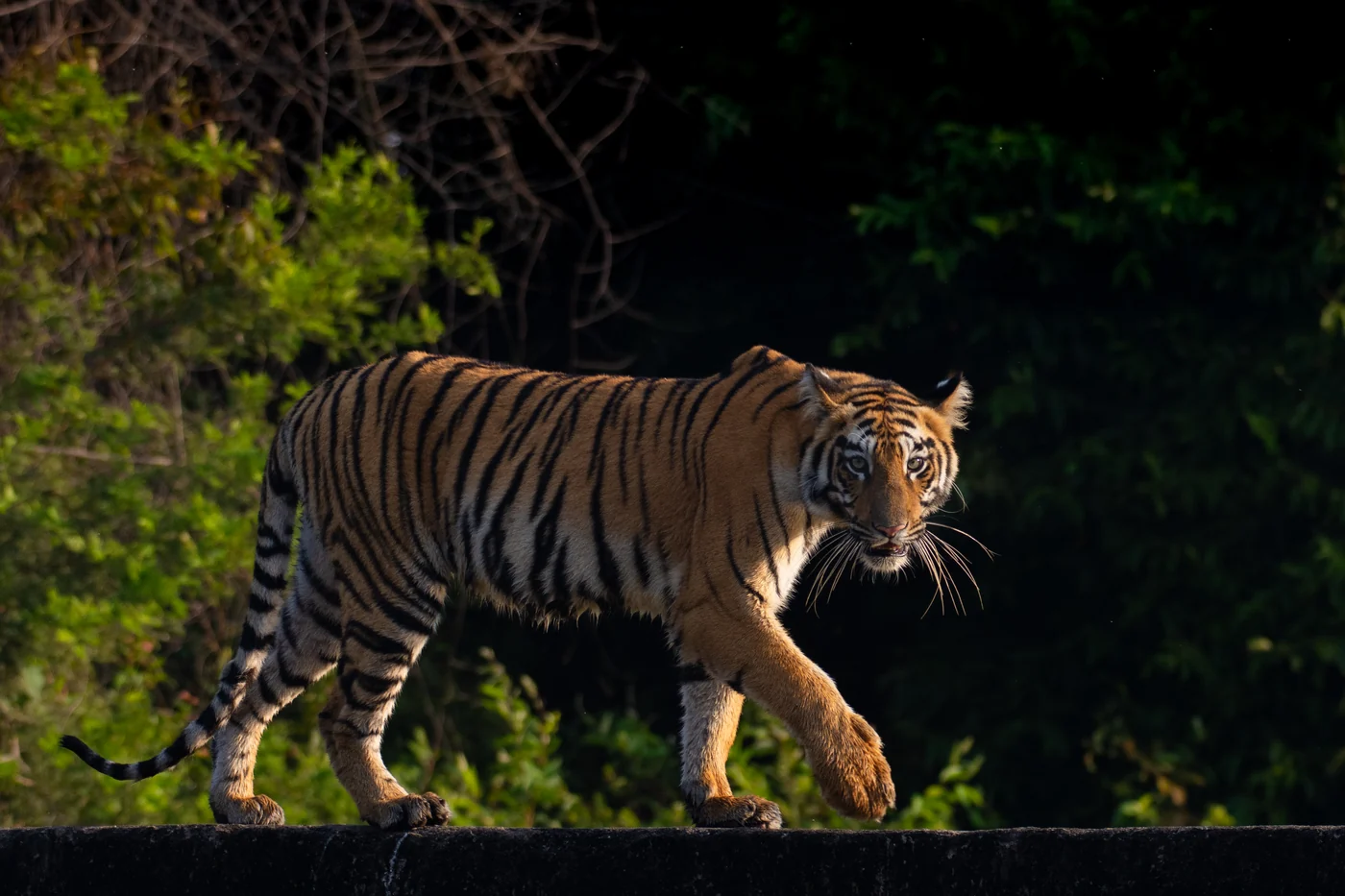 Image not available.
Maharashtra · Central India
Teak woodland, bamboo and life around water.
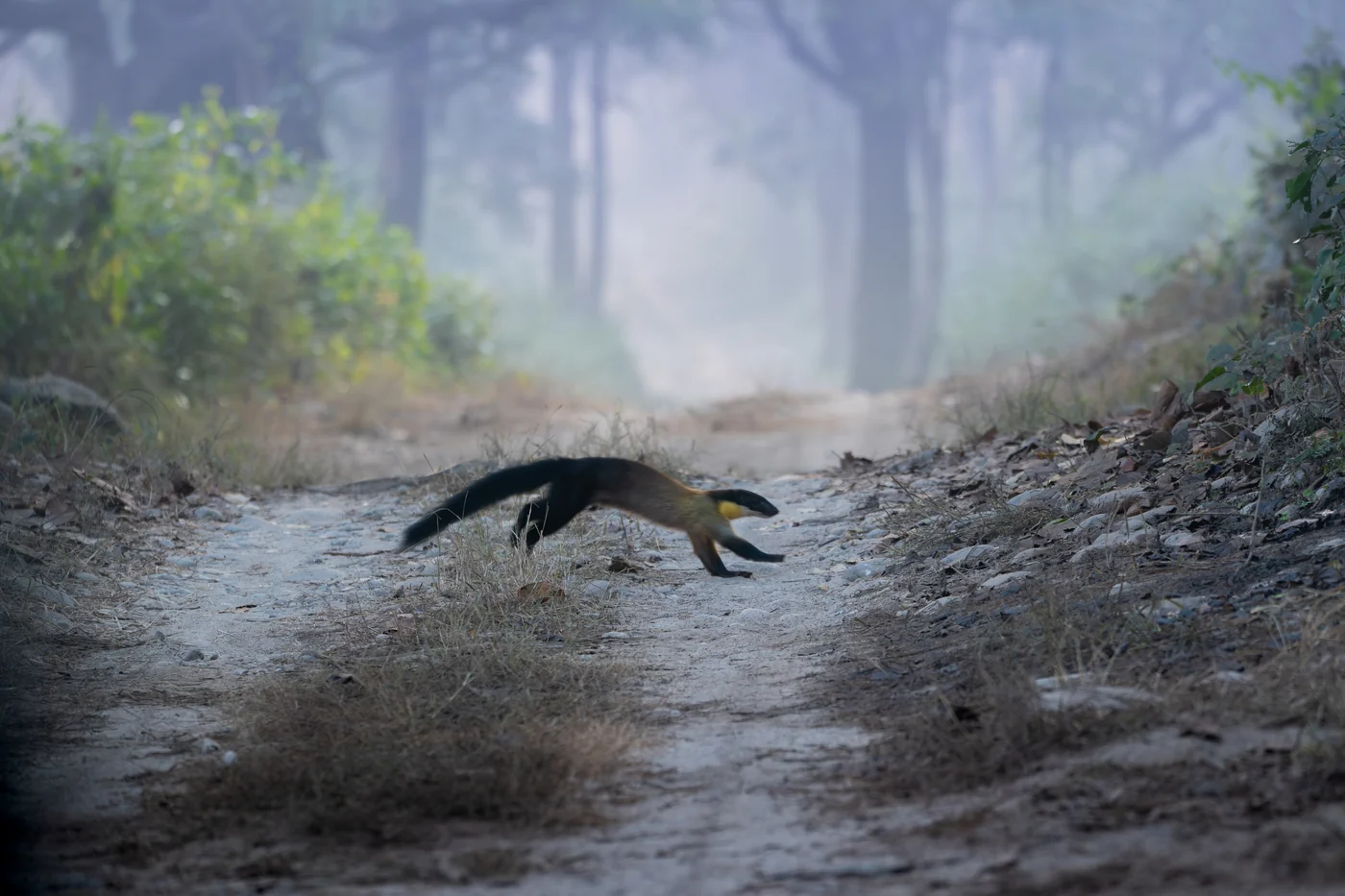 Image not available.
Uttarakhand · Northern India
Himalayan foothills, elephants and river habitats.
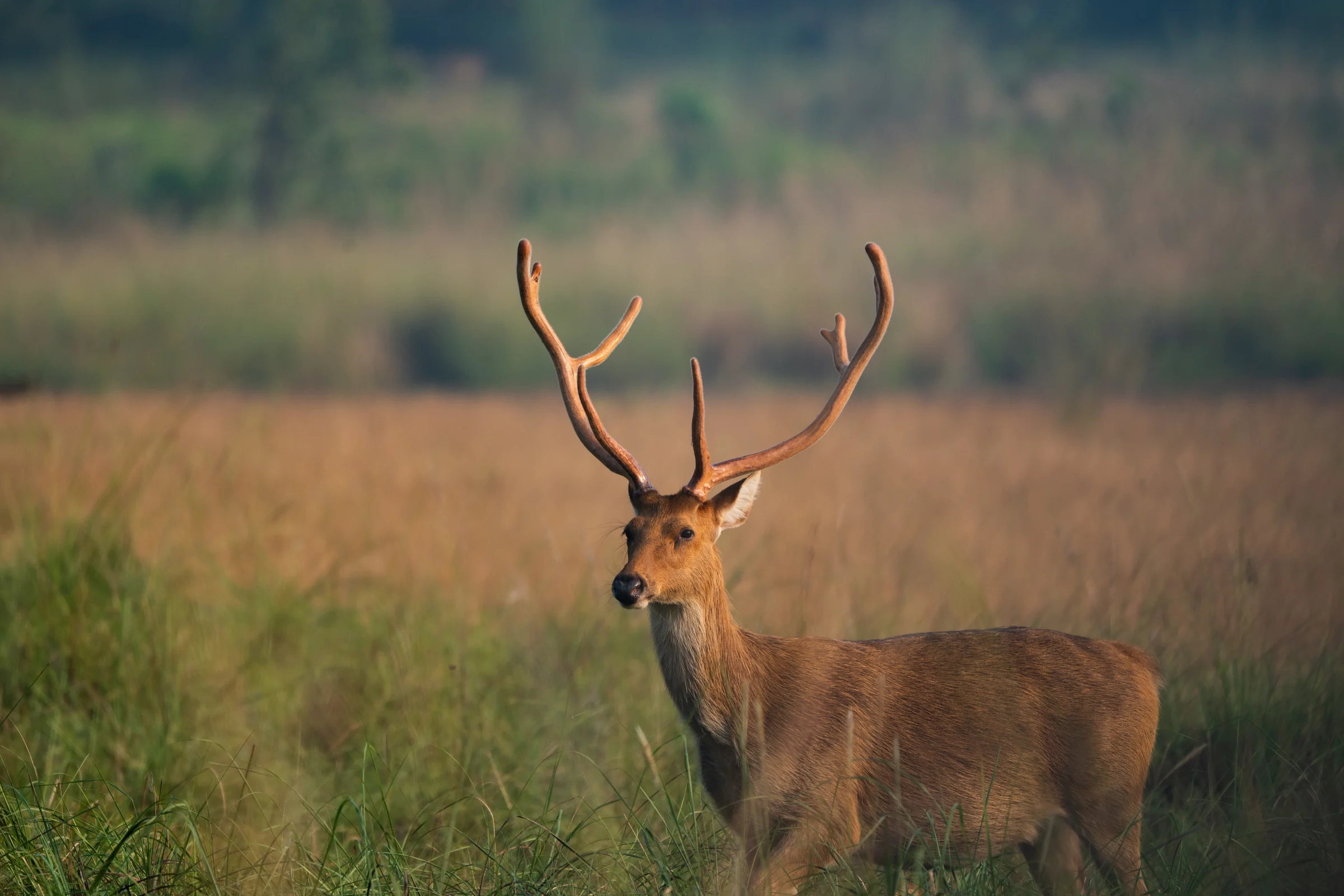 Image not available.
Madhya Pradesh · Central India
Open meadows and the barasingha conservation story.
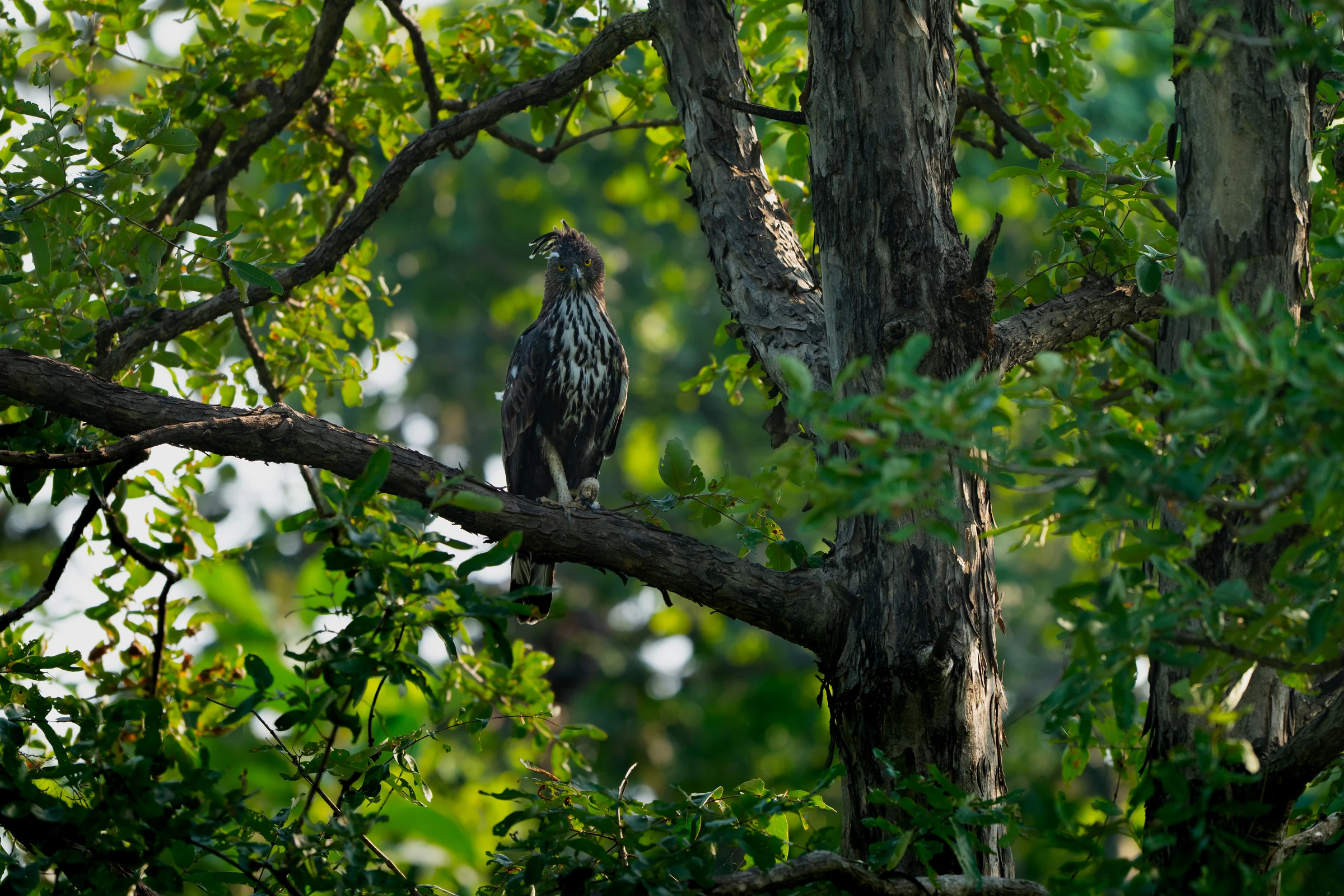 Image not available.
Madhya Pradesh · Central India
The Ken River, rocky landscapes and tiger restoration.
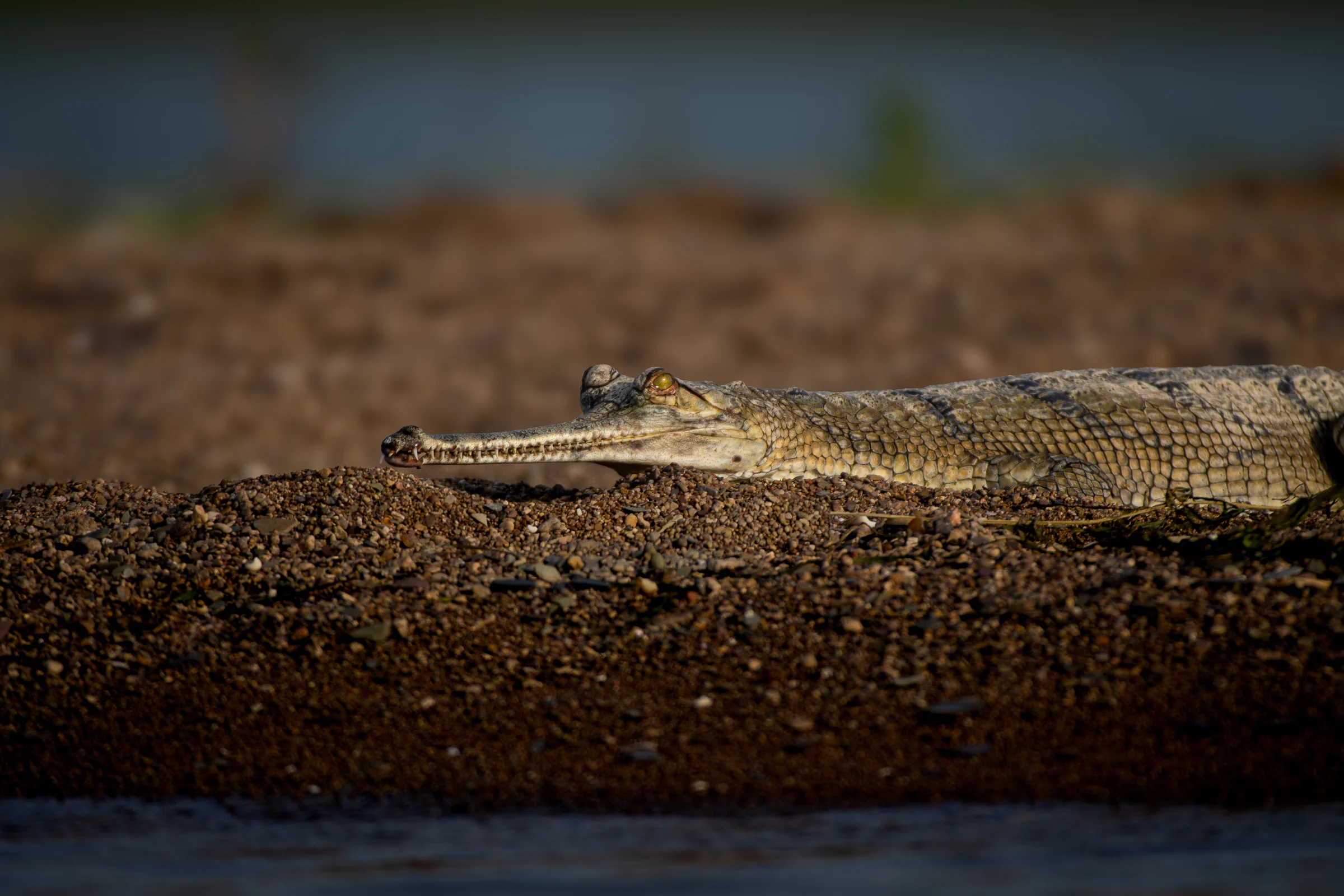 Image not available.
Rajasthan · Northern India
Lakes, dry woodland and a historic fort landscape.